ART-SIVARA
.jpg)


EGLOMISÉ of Achterglasschilderkunst
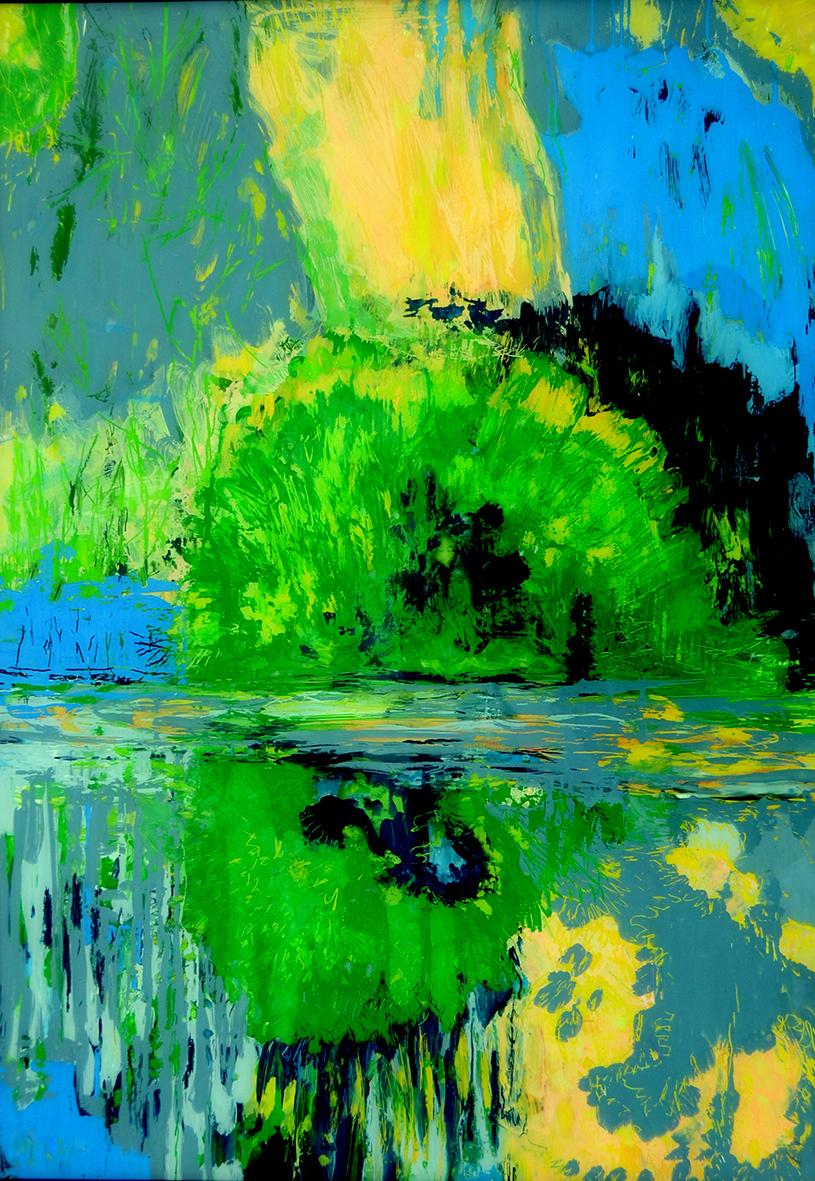
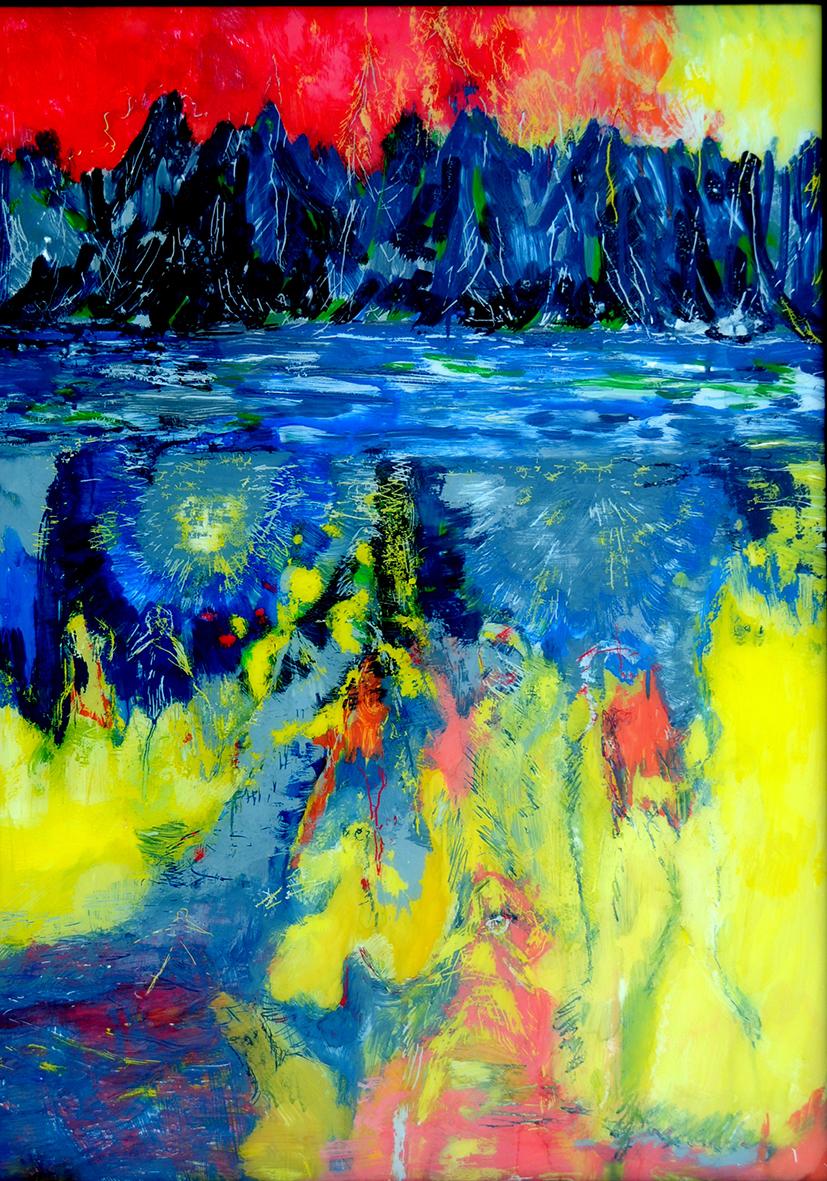
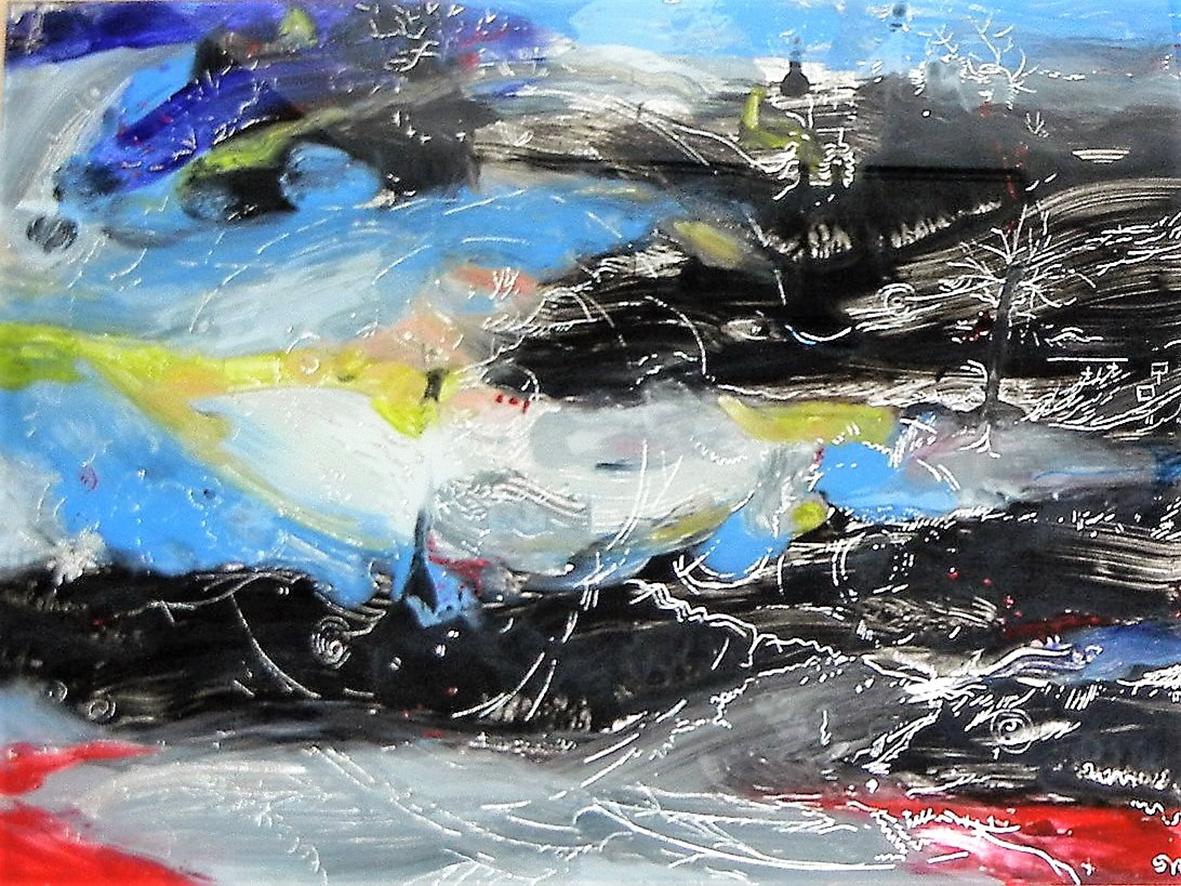
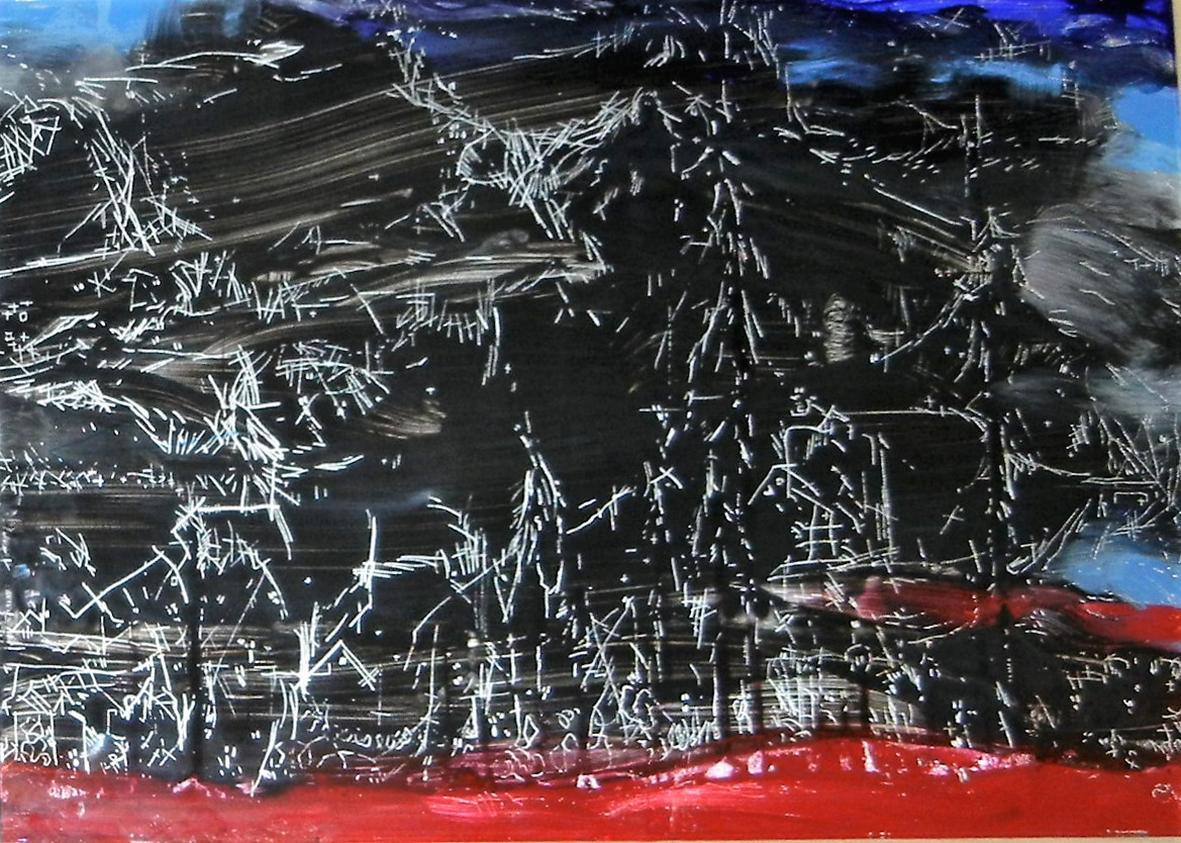
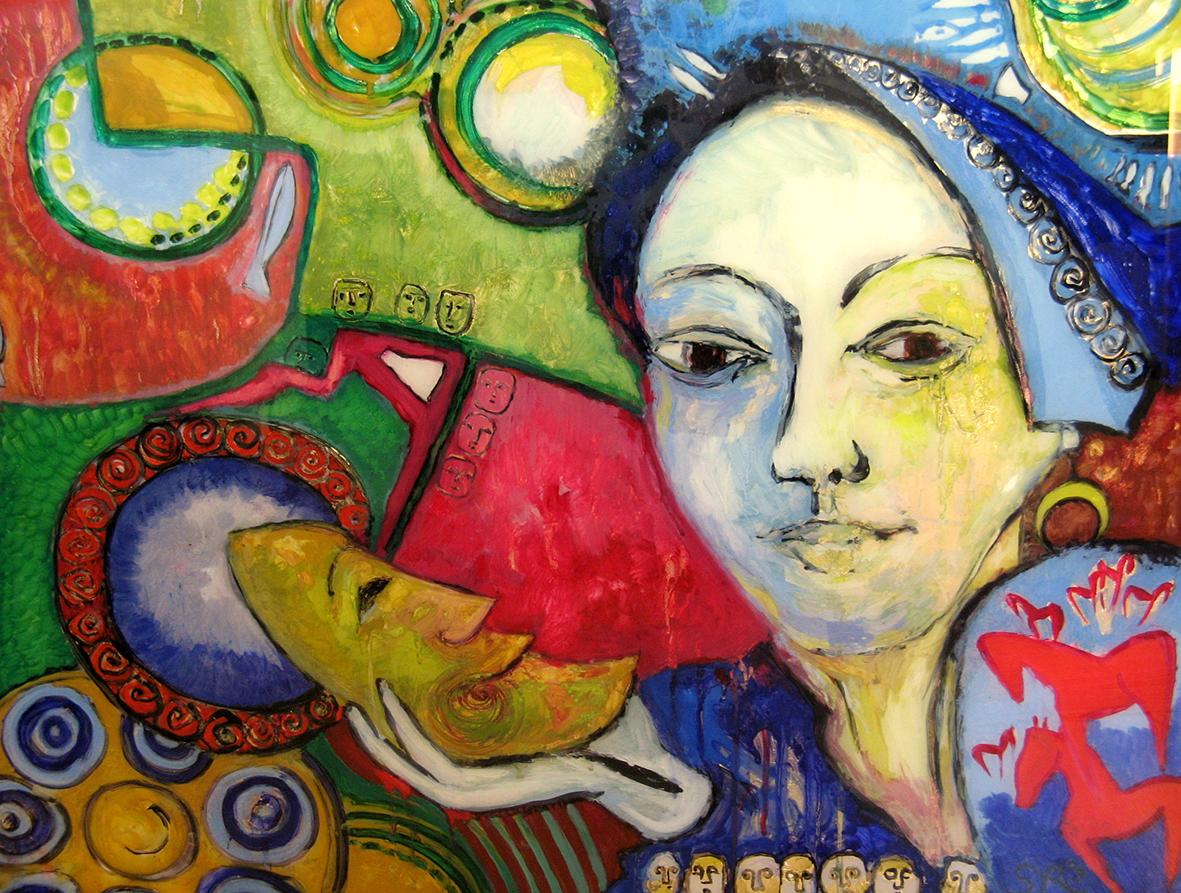
De term ”achterglas-schildering” wordt gebruikt voor een schildering die aan de achterzijde op een glasplaat wordt gemaakt, waarbij het de bedoeling is het werk dóór het glas heen te bekijken. De volgorde van werken wijkt af van de 'gewone' schilderkunst.
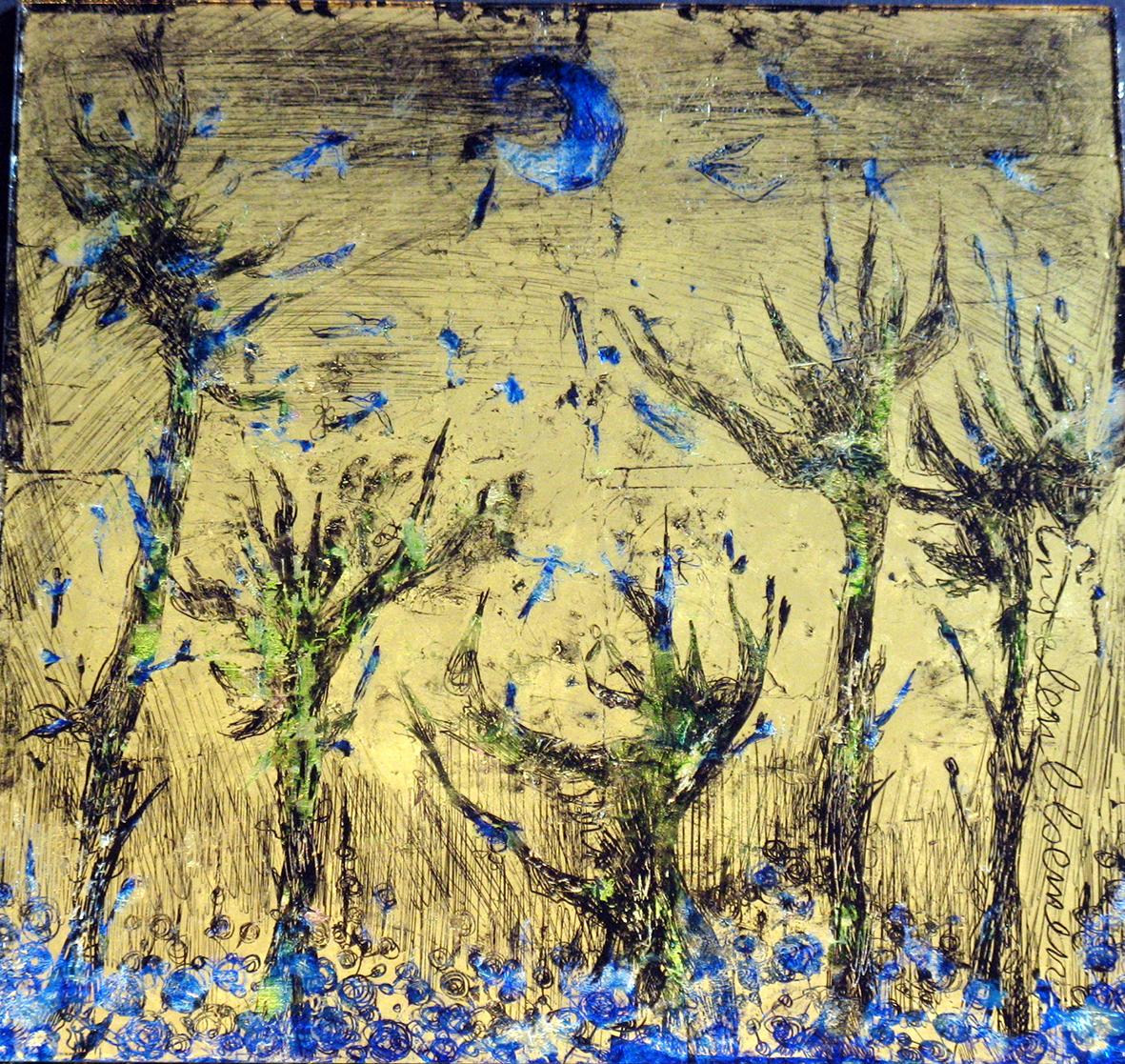
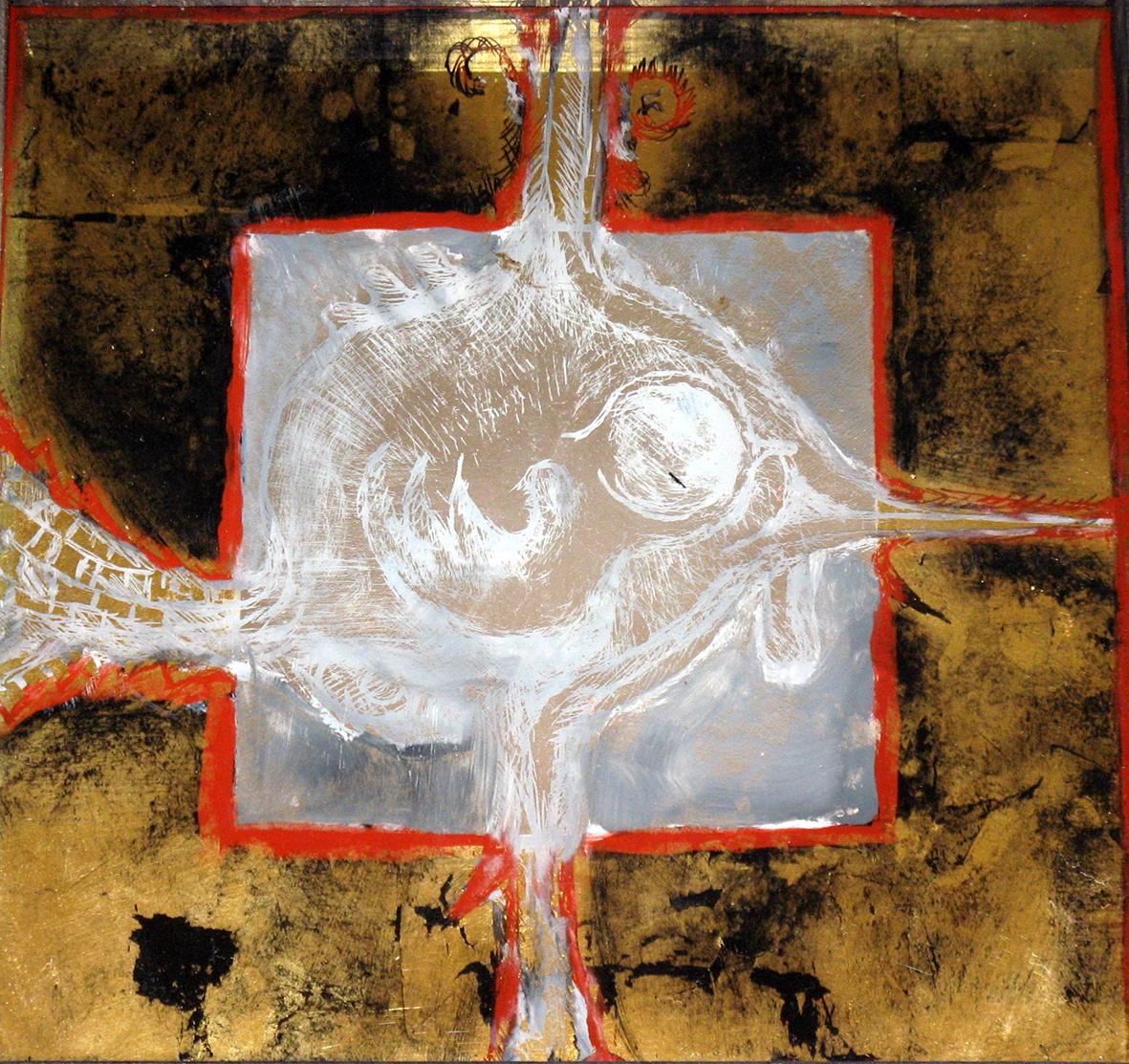
De achterglasschilder werkt in omgekeerde volgorde. De details komen eerst en dan verschillende lagen al dan niet doorschijnende verven met verschillende media. In deze lagen kan er geëtst worden zeker wanneer er bladgoud of bladzilver gebruikt wordt.
De laatste laag kan geheel of gedeeltelijk bestaan uit bladmetaal, die zowel een bescherming van het materiaal biedt, als glans en diepte in de schildering brengt.
De eerste voorbeelden van dit type decoratie zijn grafvondsten uit de Romeinse periode in Italië ( 4 ° eeuw voor Christus ).
Uit passages in een Renaissance handboek voor ambachtslui uit 1437 blijkt dat ook toen deze techniek werd toegepast. De glasplaten worden met donkere kleuren op basis van olie afgedekt.
Wanneer hier in de 17de eeuw vanuit het Verre Oosten schellak (hars verkregen uit een vrouwelijk insect en opgelost in alcohol ) wordt ingevoerd, ontstaat het wijdverbreide gebruik om voortaan de verf met dit vernis te vermengen.
Eglomisés worden dan vooral in meubels ingelegd, waarbij van de transparante kleuren die met schellak worden verkregen gebruik wordt gemaakt om in combinatie met bladzilver of goud het licht te laten reflecteren.
Wanneer tegen het eind van de 17de eeuw het monopolie van de Italiaanse glasbedrijven in Murano wordt doorbroken, gaan Italiaanse glasblazers overal in Europa voor andere producenten werken en wordt de techniek verspreid.
Rond 1700 zijn verzilverde glasplaten van zowat twee meter lengte als spiegels beschikbaar en deze worden vaak versierd met randen van eglomisé.
Daarna raakt deze techniek decennialang uit de mode, om pas tegen het einde van de 18de eeuw een nieuwe bloei te kennen.
De Franse kunsthandelaar Jean-Baptiste Glomy (1711-1786) was in Parijs gespecialiseerd in dit soort kunstwerken. Hij had vaak opdrachten voor Lodewijk XV en XVI waarbij de techniek nieuw leven werd ingeblazen en later ook naar hem werd genoemd.
Eind 19de eeuw en begin 20 eeuw wordt eglomisé in België en Frankrijk veel gebruikt in reclamepanelen voor winkelpuien. Hiervan kunnen we nog verschillende voorbeelden vinden in het straatbeeld van eclectische gevels uit de Belle Epoque tijd.
Tijdens de Art-déco periode en het modernisme is er een heropbloei en verfijning met namen als Floris Jespers, Kandinsky en leden van ‘Der Blaue Reiter’…maar na de Tweede Wereldoorlog geraakt het gebruik in de vergeethoek.
De techniek is zeer ambachtelijk en vereist niet alleen vaak het zelf aanmaken van verven, het aanbrenging van metaalfolies en hierin etsen, alsook het gebruik van verschillende oplosmiddelen om de lagen al dan niet in elkaar te laten vloeien volgens het beoogde resultaat..
De term ”achterglas-schildering” wordt gebruikt voor een schildering die aan de achterzijde op een glasplaat wordt gemaakt, waarbij het de bedoeling is het werk dóór het glas heen te bekijken. De volgorde van werken wijkt af van de 'gewone' schilderkunst.
De achterglasschilder werkt in omgekeerde volgorde. De details komen eerst en dan verschillende lagen al dan niet doorschijnende verven met verschillende media. In deze lagen kan er geëtst worden zeker wanneer er bladgoud of bladzilver gebruikt wordt.
De laatste laag kan geheel of gedeeltelijk bestaan uit bladmetaal, die zowel een bescherming van het materiaal biedt, als glans en diepte in de schildering brengt.
De eerste voorbeelden van dit type decoratie zijn grafvondsten uit de Romeinse periode in Italië ( 4 ° eeuw voor Christus ).
Uit passages in een Renaissance handboek voor ambachtslui uit 1437 blijkt dat ook toen deze techniek werd toegepast. De glasplaten worden met donkere kleuren op basis van olie afgedekt.
Wanneer hier in de 17de eeuw vanuit het Verre Oosten schellak (hars verkregen uit een vrouwelijk insect en opgelost in alcohol ) wordt ingevoerd, ontstaat het wijdverbreide gebruik om voortaan de verf met dit vernis te vermengen.
Eglomisés worden dan vooral in meubels ingelegd, waarbij van de transparante kleuren die met schellak worden verkregen gebruik wordt gemaakt om in combinatie met bladzilver of goud het licht te laten reflecteren.
Wanneer tegen het eind van de 17de eeuw het monopolie van de Italiaanse glasbedrijven in Murano wordt doorbroken, gaan Italiaanse glasblazers overal in Europa voor andere producenten werken en wordt de techniek verspreid.
Rond 1700 zijn verzilverde glasplaten van zowat twee meter lengte als spiegels beschikbaar en deze worden vaak versierd met randen van eglomisé.
Daarna raakt deze techniek decennialang uit de mode, om pas tegen het einde van de 18de eeuw een nieuwe bloei te kennen.
De Franse kunsthandelaar Jean-Baptiste Glomy (1711-1786) was in Parijs gespecialiseerd in dit soort kunstwerken. Hij had vaak opdrachten voor Lodewijk XV en XVI waarbij de techniek nieuw leven werd ingeblazen en later ook naar hem werd genoemd.
Eind 19de eeuw en begin 20 eeuw wordt eglomisé in België en Frankrijk veel gebruikt in reclamepanelen voor winkelpuien. Hiervan kunnen we nog verschillende voorbeelden vinden in het straatbeeld van eclectische gevels uit de Belle Epoque tijd.
Tijdens de Art-déco periode en het modernisme is er een heropbloei en verfijning met namen als Floris Jespers, Kandinsky en leden van ‘Der Blaue Reiter’…maar na de Tweede Wereldoorlog geraakt het gebruik in de vergeethoek.
De techniek is zeer ambachtelijk en vereist niet alleen vaak het zelf aanmaken van verven, het aanbrenging van metaalfolies en hierin etsen, alsook het gebruik van verschillende oplosmiddelen om de lagen al dan niet in elkaar te laten vloeien volgens het beoogde resultaat..
EGLOMISÉ … ou peinture sous verre
Ce terme désigne un tableau qui est peint sur la face arrière d’une surface en verre, au verso donc, mais dont on regarde le recto.
Pour réaliser une telle œuvre, on procède donc de façon inverse d’une peinture traditionnelle sur toile. On commence d’abord par peindre les détails, avant d’y appliquer des couches successives de différents média qui constituent l’arrière-plan. Ces dernières, si elles sont constituées de feuilles d’or ou d’argent par exemple, peuvent être guillochées à la pointe sèche. Une ultime couche est ensuite appliquée pour garantir non
seulement une protection, mais aussi augmenter la brillance et la profondeur de champs de l’œuvre.
Les premiers exemples de cette technique de décoration furent découvertes en Italie, dans des tombes romaine datant du 4è siècle avant J.-C. D’autre part, un manuel de la Renaissance destiné aux artisans et datant de 1437, fait également mention de cette technique ; les plaques de verre étant alors recouvertes de peintures sombres à base d'huile.
D’autre part, lorsqu’au XVIIe siècle fut importée la gomme-laque d'Extrême-Orient -- une résine de couleur jaune/rouge-ambrée, obtenue à partir de la sécrétion d'une cochenille asiatique dissoute dans de l'alcool-- elle fut dès lors largement utilisée pour être mélangée à la peinture utilisée pour les églomisés.
Cette technique fut toutefois peu à peu abandonnée et ne rejaillit qu’à la fin du XVIIIe siècle, lorsque l’artiste parisien Jean-Baptiste Glomy (1711-1786) la remit au goût du jour. A tel point qu’il obtint de nombreuses commandes des rois Louis XV et XVI et devint si célèbre que ces peintures portèrent désormais son nom.
À la fin du XIXe siècle, et particulièrement à la Belle Epoque, l'églomisé fut à nouveau largement utilisé en Belgique et en France pour la confection de panneaux publicitaires et vitrines de magasins. Des artistes tels que Floris Jespers, Kandinsky et autres membres de Der Blaue Reiter figurent parmi les promoteurs de cette technique … dont l’usage se perdit à nouveau, après la Seconde guerre mondiale.
La technique de confection est très artisanale et exige de nombreuses manipulations. Non seulement la fabrication des peintures par soi-même, mais aussi l'application de feuilles de métal et l'utilisation de différents solvants et/ou fixatifs, pour permettre aux différentes parties de se fondre entre elles ou non en fonction du résultat désiré.
Ce terme désigne un tableau qui est peint sur la face arrière d’une surface en verre, au verso donc, mais dont on regarde le recto.
Pour réaliser une telle œuvre, on procède donc de façon inverse d’une peinture traditionnelle sur toile. On commence d’abord par peindre les détails, avant d’y appliquer des couches successives de différents média qui constituent l’arrière-plan. Ces dernières, si elles sont constituées de feuilles d’or ou d’argent par exemple, peuvent être guillochées à la pointe sèche. Une ultime couche est ensuite appliquée pour garantir non
seulement une protection, mais aussi augmenter la brillance et la profondeur de champs de l’œuvre.
Les premiers exemples de cette technique de décoration furent découvertes en Italie, dans des tombes romaine datant du 4è siècle avant J.-C. D’autre part, un manuel de la Renaissance destiné aux artisans et datant de 1437, fait également mention de cette technique ; les plaques de verre étant alors recouvertes de peintures sombres à base d'huile.
D’autre part, lorsqu’au XVIIe siècle fut importée la gomme-laque d'Extrême-Orient -- une résine de couleur jaune/rouge-ambrée, obtenue à partir de la sécrétion d'une cochenille asiatique dissoute dans de l'alcool-- elle fut dès lors largement utilisée pour être mélangée à la peinture utilisée pour les églomisés.
Cette technique fut toutefois peu à peu abandonnée et ne rejaillit qu’à la fin du XVIIIe siècle, lorsque l’artiste parisien Jean-Baptiste Glomy (1711-1786) la remit au goût du jour. A tel point qu’il obtint de nombreuses commandes des rois Louis XV et XVI et devint si célèbre que ces peintures portèrent désormais son nom.
À la fin du XIXe siècle, et particulièrement à la Belle Epoque, l'églomisé fut à nouveau largement utilisé en Belgique et en France pour la confection de panneaux publicitaires et vitrines de magasins. Des artistes tels que Floris Jespers, Kandinsky et autres membres de Der Blaue Reiter figurent parmi les promoteurs de cette technique … dont l’usage se perdit à nouveau, après la Seconde guerre mondiale.
La technique de confection est très artisanale et exige de nombreuses manipulations. Non seulement la fabrication des peintures par soi-même, mais aussi l'application de feuilles de métal et l'utilisation de différents solvants et/ou fixatifs, pour permettre aux différentes parties de se fondre entre elles ou non en fonction du résultat désiré.
.jpg)
.jpg)
.jpg)
.jpg)
.jpg)
.jpg)
.jpg)
.jpg)
.jpg)
.jpg)
.jpg)
.jpg)
.jpg)